Blog · October 30, 2026 · 5 min read
Resurfacing vs a New Pool in Phoenix, AZ
Resurfacing replaces the finish on the pool you already have. A new pool means demolition, excavation, permits, and a full rebuild. For most 1970s and 1980s Phoenix pools, resurfacing is the right money move. The new build wins only when the shell itself is done.
All postsGood to know
The short answer
If the concrete shell is sound, resurfacing replaces the worn skin at a fraction of what a new pool costs, and the yard is back in service within weeks instead of months. If the shell has cracked through, settled, or popped, the math shifts toward a rebuild, because a new finish over a broken shell is money thrown at the wrong problem. The right choice depends on the shell, the soil under it, and what you actually want the backyard to be.
Good to know
Resurfacing: what it actually is
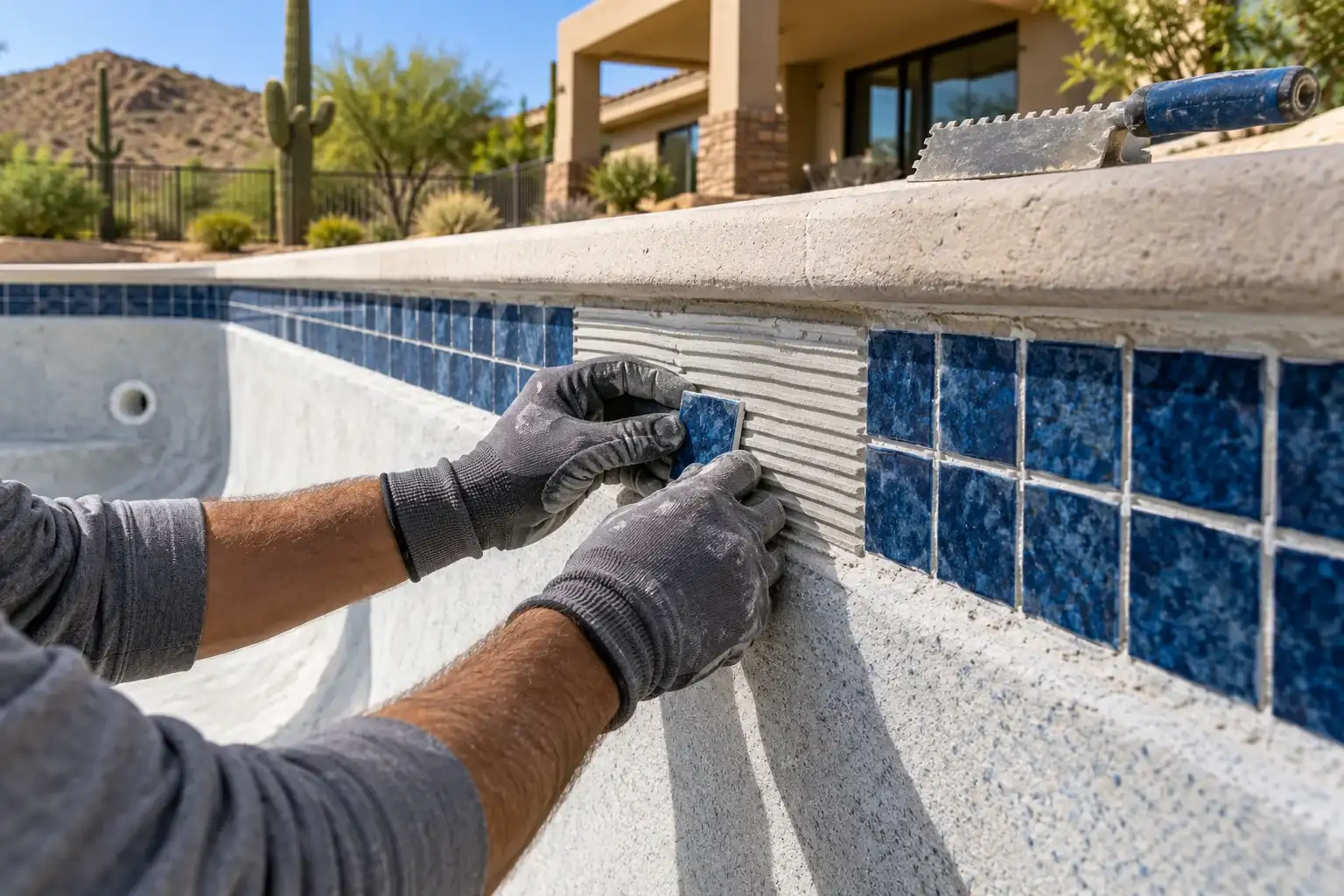
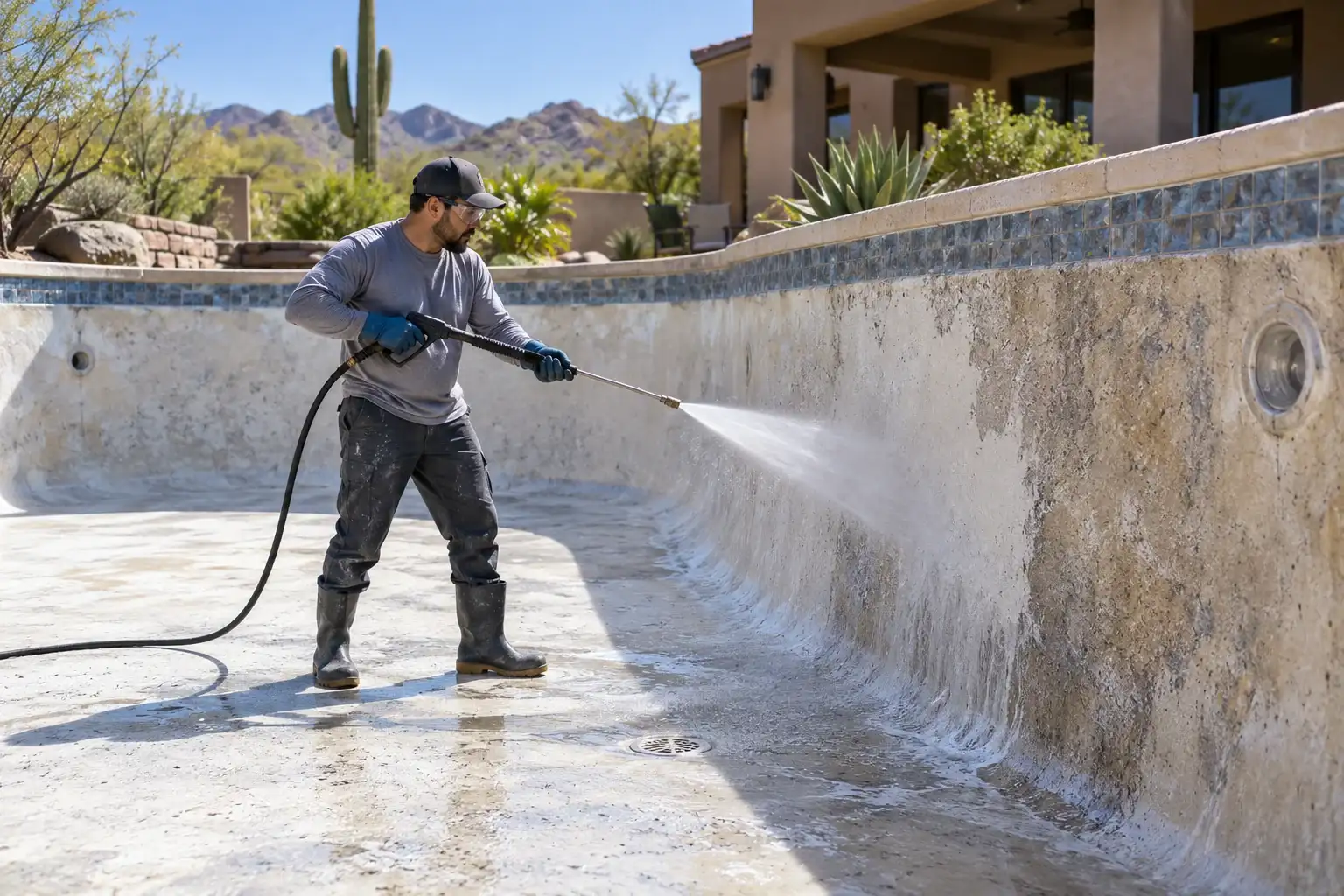
Resurfacing removes the old finish, inspects the shell, and puts on a new plaster, quartz, or pebble skin. The structure stays. The plumbing, the shape, the depth, and the deck all stay unless you choose to change them, which is why the job is measured in days of work rather than months of construction. What the resurface cannot do is fix the structure. It seals and smooths the shell, but it does not hold a shell together, and that line is where the whole decision lives.
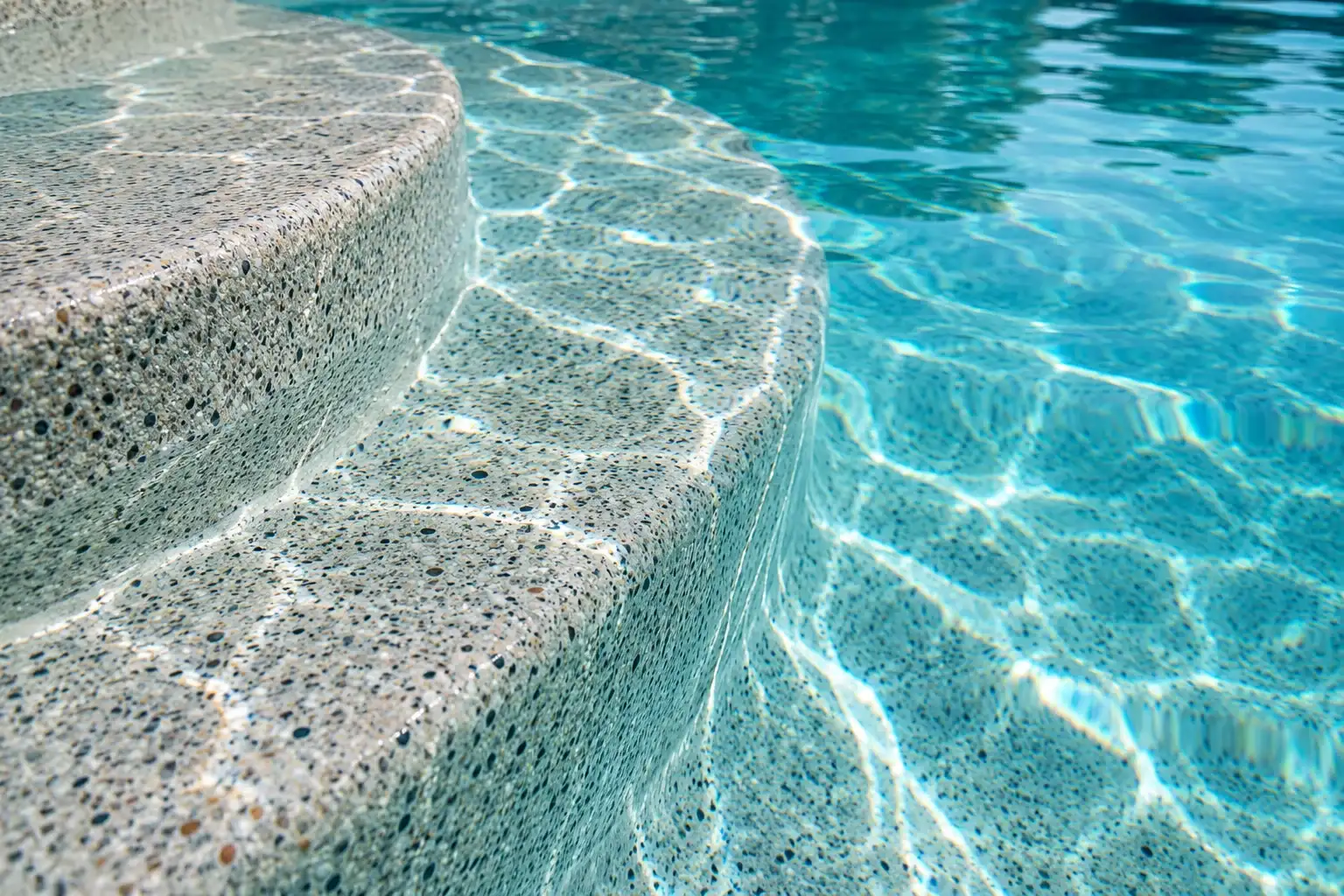
On a 1970s or 1980s Phoenix pool, resurfacing usually returns the pool to something close to new. The shells were built thick, and forty years of hard water damage lands on the finish, not the structure. When the finish goes chalky and rough, the pool is not dying. It needs a new skin, and the skin is the cheap part.
Good to know
A new pool: what it actually is
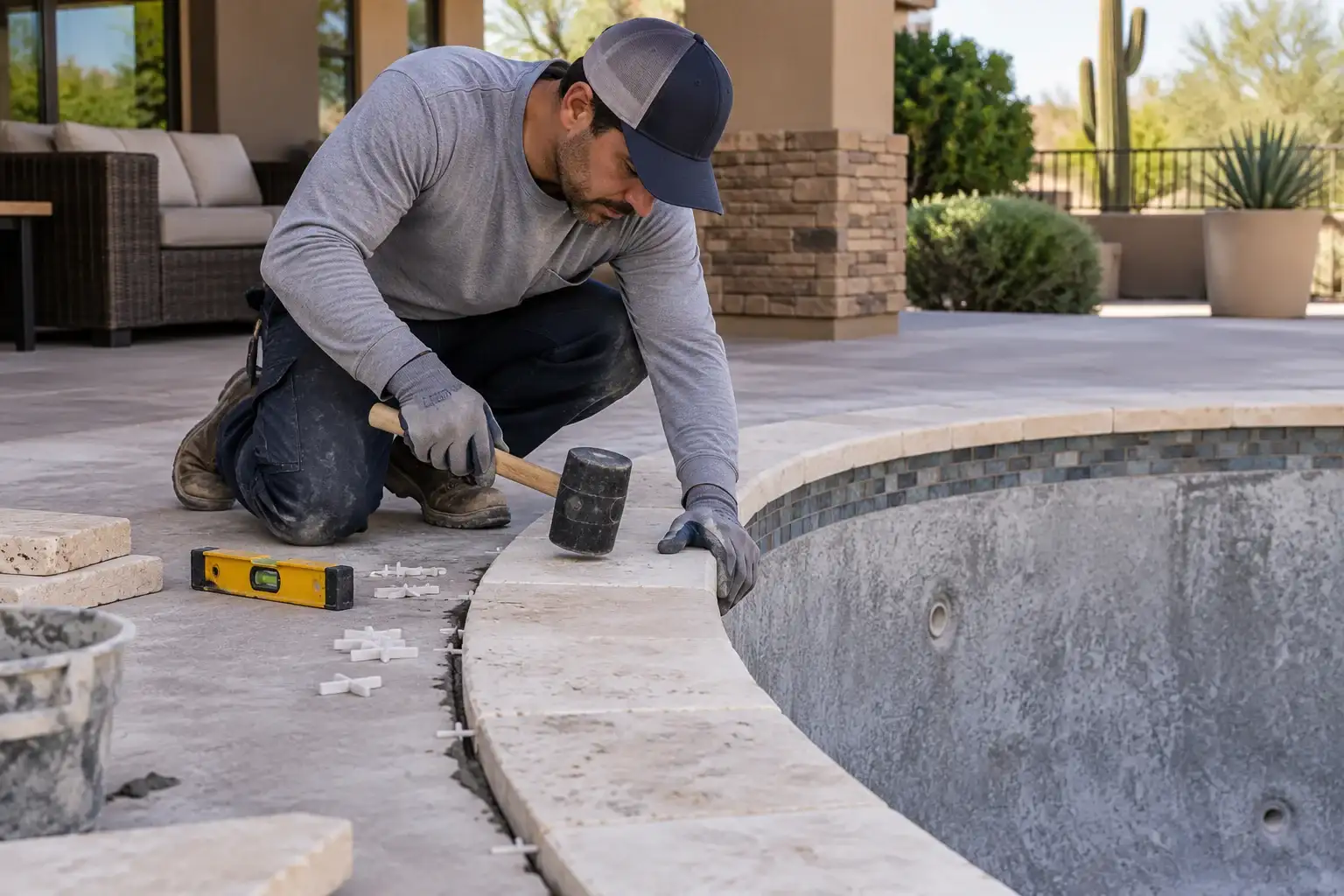
A new pool starts with a hole. The old shell comes out, either fully demolished or buried under a new dig, and the crew excavates through whatever the ground holds. Much of the Valley sits on caliche, the cemented layer that stops a dig and turns it into a jackhammer job, and nobody knows how much of it is under your yard until the hole opens. Then comes the rebar and shotcrete, the plumbing, the tile and coping, the decking, the permits, and the HOA approval if your neighborhood is governed.
Expansive clay in parts of the city swells and shrinks with moisture, and a new shell has to be engineered for that movement or it cracks the way old slabs crack. A new pool is not a bigger resurface. It is a construction project with a dig at the front of it, and the ground writes part of the bill.
Signs
Where resurfacing fails here
Resurfacing fails when the shell is the problem and the finish takes the blame. A shell with cracks from decades of soil movement will push those cracks through a new finish within a season or two, and the owner pays twice. The other local risk is the drain. A resurface means an empty pool, and in a Phoenix summer a drained shell can crack from the heat while monsoon ground water rises under it. Flood irrigation still runs in older central neighborhoods, and a pool drained during irrigation season sits in a wetter water table than the homeowner expects. The job belongs in the cooler months, and the shell belongs in the decision from the first walkthrough.
Signs
Where a new pool fails here
A new pool fails here first in the ground. Caliche under the dig turns an excavation into hammer work, and the bill moves before the shell is poured. Then comes the yard around it. Alley-loaded backyards in older central Phoenix mean the machines and the haul route are part of the estimate, and months of dirt and noise replace the pool you had. The HOA is next: a governed neighborhood wants plans and approval before the dig, not after, and the process costs time. A new build also means living through a Phoenix summer without a pool, which is the cost nobody puts on the bid but everyone feels by July. There is also the shape of the thing. A rebuilt pool comes back the way pools are built now, and the yard that held a 1978 pool with its own deck and coping may not fit the new geometry without more concrete and more money. The rebuild price on paper rarely survives contact with the yard it goes into. The plaster vs fiberglass page covers the rebuild paths when the shell really is gone.
Costs
What it costs and what drives the number
Resurfacing is priced on footage, prep, and access. A new pool is priced like construction: demo, excavation through caliche, steel, shotcrete, plumbing, tile, coping, decking, and permits, with the ground and the yard access moving the number the most. A rebuild runs multiples of a resurface, and the gap widens with every surprise the dig turns up. What varies most is the shell itself, which is why a shell check comes before any finish decision. The pool resurfacing cost page lays out the resurface side line by line.
Good to know
What good work looks like in Phoenix
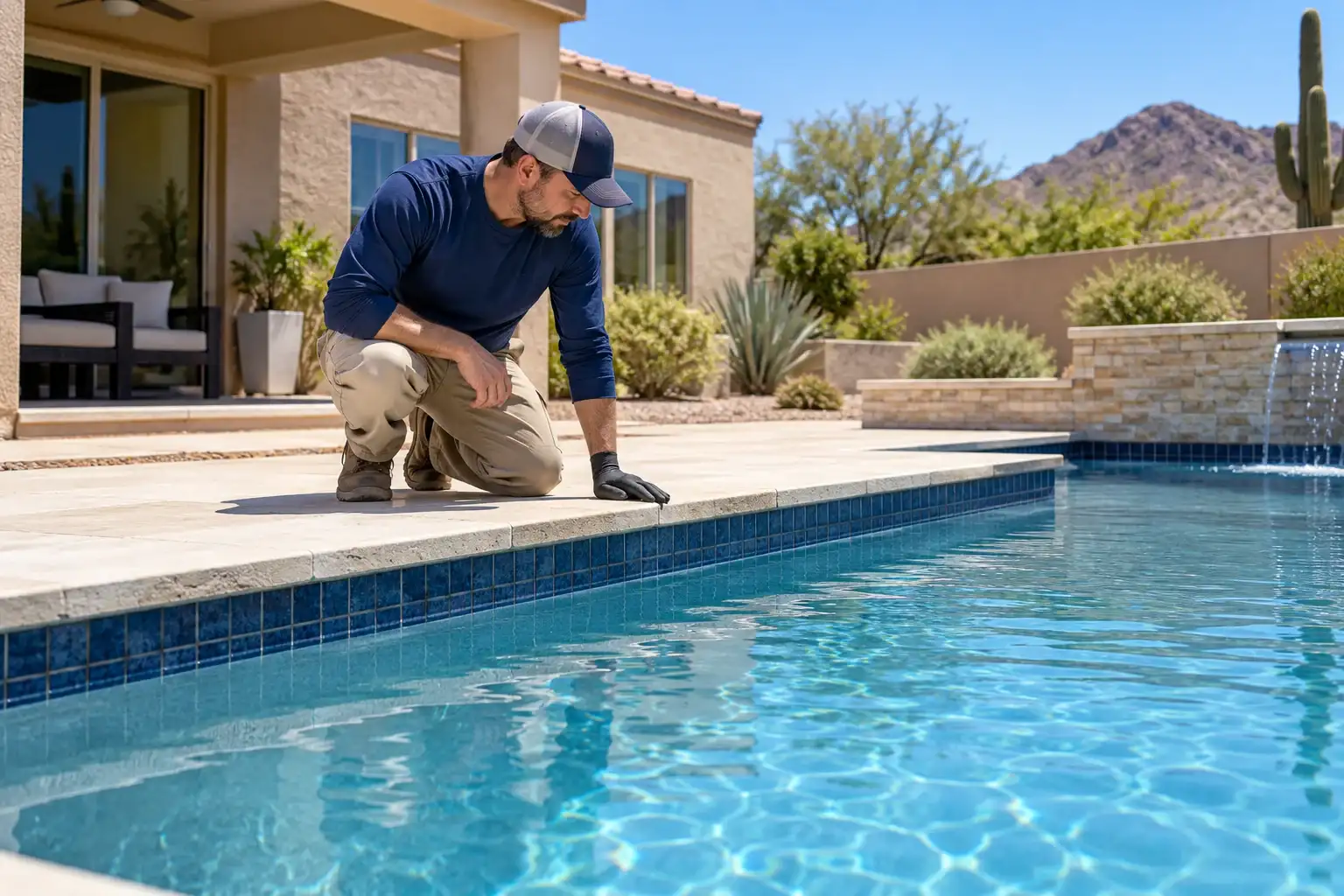
- Checking the shell first and tell you honestly whether the pool is a re-skin or a rebuild, because the two answers are a factor of several apart.
- A finish does not go over a broken shell, and a rebuild is not the answer for a shell that only needs a skin.
- Timing the work for the cooler months, when a drained Phoenix pool is safe from heat cracks and monsoon ground water.
- You get one straight recommendation and the numbers for the path that fits your shell.
6 questions
Resurfacing vs a New Pool: your questions
Still have a question? Call (747) 243-2089 and say what your pool is doing.
How do I know if my pool shell is still good?
Cracks that run through the shell, settling, popping, and leaks that survive a new finish are the warning signs. A shell check before the finish decision answers it, and the resurfacing vs replastering page walks through what gets inspected.
Can a cracked pool be fixed without replacement?
Sometimes. Hairline cracks in the plaster are common and die with the old finish. Cracks through the shell are structural and need repair work before any new skin, which is a different and larger scope.
Is it worth building a new pool in Phoenix?
If the shell is gone and the yard is a full redo anyway, yes. If the shell is sound, resurfacing returns the pool for a fraction of the cost of a rebuild, and the money stays in your pocket.
How long does a new pool take in the Valley?
Months, not weeks, with the dig, the shell, the plumbing, the finish, and the decking each in sequence. A resurface returns a swim-ready pool in a fraction of that time, weather and cure schedule permitting. Between the permits, the dig, the shell cure, the finish cure, and the deck, a family that starts in spring often swims next year.
Will my HOA allow a new pool?
A governed neighborhood wants plans and approval before the dig, and some subdivisions restrict what can change in the yard. Approval comes first, which is why the paperwork belongs at the front of the timeline.
What is the cheapest way to fix an old pool?
Figure out what is actually wrong first. Most original-plaster pools in Camelback East and the rest of Phoenix need a new skin, not a new shell, and a resurface is the cheap path when the shell is sound. Get the shell looked at before any finish bid, because the difference between the two paths is the largest number in the whole decision.